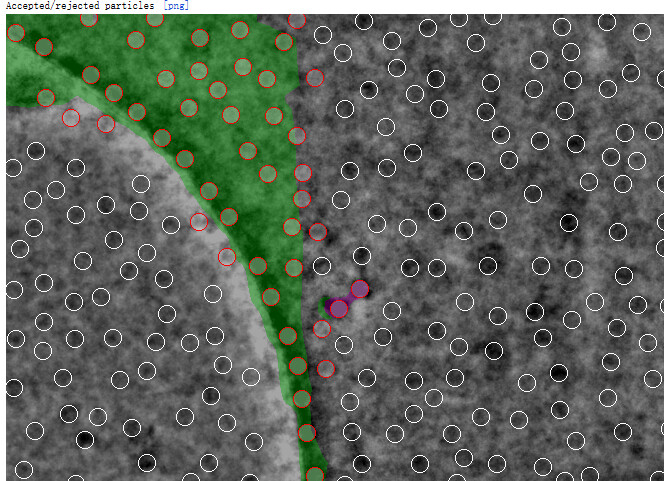


I have also observed that the junk detector underestimates carbon areas when more than ~50% of the field of view is carbon. I find the junk detector still extremely helpful despite this limitation!
Better hole and exposure targeting during data collection is probably still the best solution to this problem (because even if you could accurately exclude these bad areas, why would you spend microscope time collecting them and storage space keeping them?). It can be difficult depending on grid quality. There is also a compromise to find between throughput and image quality: too few shots per hole diminishes throughput but makes it less likely to image on carbon (and vice versa).
Agreed!
Even on mics with <50% carbon area, if the contrast between the ice and the flat carbon is very similar, it’ll fail often to mark it. But ice is usually pretty thick for that to happen - unfortunately a prerequisite of many of the samples I deal with given their size. 
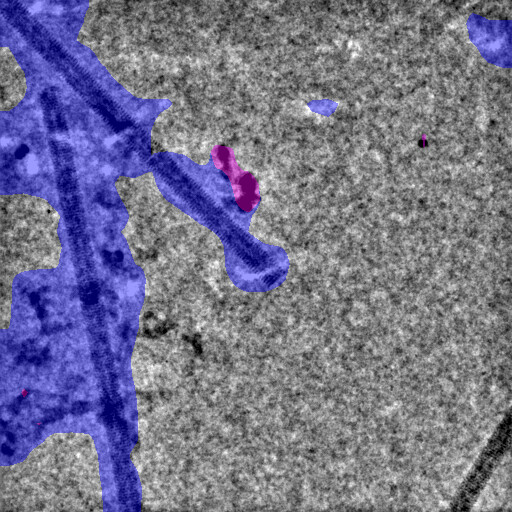
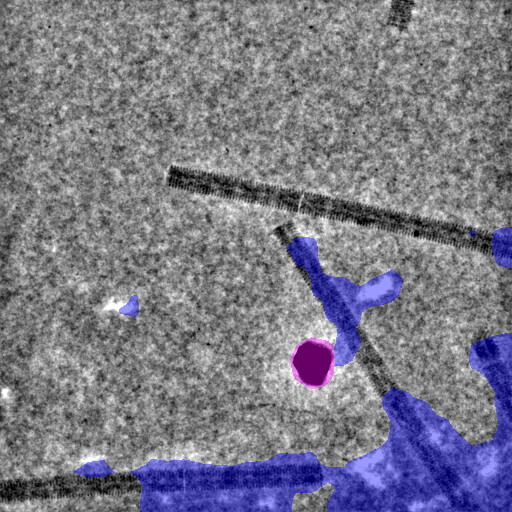
On another note, the junk detector is also pretty bad at working on micrographs with filaments - been testing on some denoised TMV mics, and it’s marking the TMV at junk!
Hi @rbs_sci,
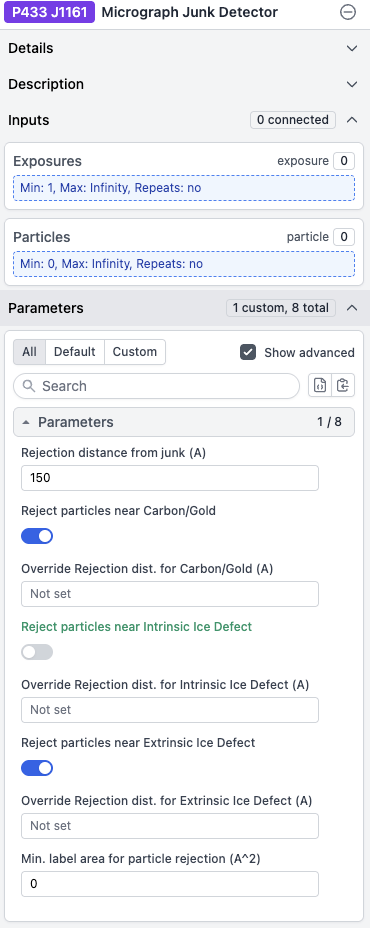
Unfortunately, this is a known limitation. Best workaround right now is to exclude the intrinsic junk type from the junk detector if you are attempting to clean a particle stack.
All the best,
Kye
Interesting - thanks, Kye!